Update:
I want to upload my short stories and I didn’t want more tabs than the 5 above, to keep things neat. I decided to replace the “Thoughts” tab with Short stories. Since I already have a Blog page, I can let my thoughts out there. The other reason is because I’d want to try to build separate themed pages for each short story, and the publications tab should only list actual products. This would keep things tidy.
03/09/2026
August 2026
Latest book purchase 15/08/2026
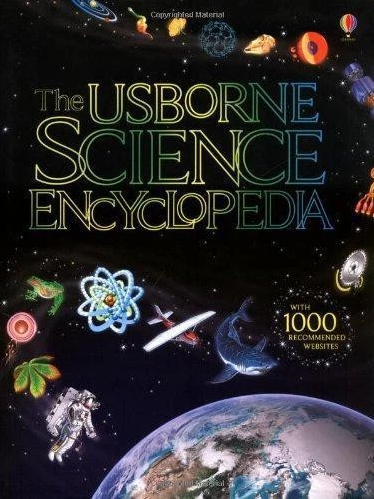
Walking in to Oxfam in Muswell Hill to ask if my flyer could be put up in their news board again (it wasn’t there anymore), I saw this big boy on the shelf next to the till while I was waiting in the queue.
“Everything” about “all” the sciences in 400+ pages, illustrated, for £3! It is tremendous value, and yet another perfect complementary book for my science studies.
I had to get it, but this is it. I’ve got 20+ books waiting in the queue now, while the NewScientist magazine comes weekly as well, so no more books for a long while.
July 2026
The library got an upgrade already
I wanted a tab-like experience on this page, instead of having different windows or pages for sections. I did not even know what the name of this feature is until today but I knew there must be a solution. After about two hours of back and forth with AI support, I managed to add and design and sort the current layout. I like the way it’s going, but I think it will get further upgrades in the future. It’s perfect for now.
27/07/2026
The Library has finally being built
I have finally created this corner of the site dedicated to books, which I love.
I’m still figuring it out how I would want to edit this page so it is clean and simple and tidy.
By clicking/tapping on the image of the books it will open a new window to that book’s amazon page. Normally I would not promote amazon, but that is the easiest and cleanest link I can provide for all books. Disclaimer: There is no referral or any promotion in it for me. It is simply book discovery.
The “Notes” below the images are my comments, just like in the Art section.
15/07/2026
Latest book purchases 13/07/2026
15/07/2026
The other day I walked in to Muswell Hill and did my usual rounds of shops, starting with Oxfam bookshop, and I did not manage to come out empty handed. (Nowadays I have a sigh of relief if I can pull that off, because I still have books waiting in the queue, and I never used to buy new ones until I finished the current ones, and this habit – worryingly – seems to be breaking lately).
In fact, I bought 4 more books and a pack of Biology exam revision question cards set (as I picked up combined science this year. This pack for £3.5 well worth it, when it’s about 5 times that normally).
The bounty for £16.5 in total (including the above cards) this time was as follows:
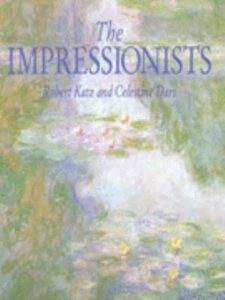
The Impressionists
Robert Katz (Art critic); Celestine Dars
1997-09
Notes
This is the first bigger sized art book I ever purchased. I usually turn them down when I see one that I like due to lack of space at home and the fact that I probably wouldn’t read all that, but this time I was somehow drawn to it too much.
Not too long ago I tried an impressionist goat painting on small size and loved how free it felt, not worrying about anything, and still turned out nice, so I’m also interested in this style.
I started reading at home after my studies and I love it. Starts with the history and it is very interesting, learning about the Salon in Paris at the time, how the critics butchered the upcoming impressionist style, how Napoleon tried to support the unsuccessful artists, etc.
I’d like to try this form of art more anyway, and this might aid.
And there is a strange empathetical connection I feel reading about their struggles and way of thinking etc. So in three words: I can relate! haha
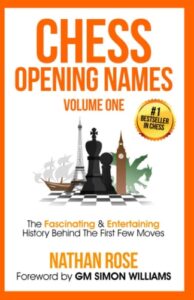
Chess Opening Names
Nathan Rose
2017
Notes
Even though I got gifted with a chess book before, that one seems a bit dry and tough to get through as it goes through all the most legendary games in details. This one, however, is an easier read, as each opening is maximum 4 pages long but usually 2, explaining the history behind it, and shows how it starts, etc. Because I mainly use one or two openings in my games, I thought this could be a good way for me to finally upgrade my repertoire, and learn the story behind them.
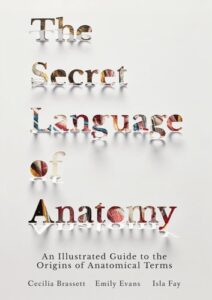
The Secret Language of Anatomy
Cecilia Brassett; Emily Evans; Isla Fay
2018
Notes
Again, I wouldn’t buy anatomy books, and my figure drawing book contains more than enough anatomy for art improvement, but this one is different.
It’s one page for each piece, with a short paragraph of the history behind the name, then a simple drawing of the item or subject that that particular piece of anatomy in our body was named of originally, and a simple drawing of the actual anatomical part the page is referring to, and its position in our body.
The names are categorised in different chapters based on what the names were based on such as Animal, Landscape, Architecture, etc. For example the hippocampus is in the animal chapter because the shape of that part of the brain resembles a sea horse.
It is 167 pages of interesting facts/studies, easier to stick the names of pieces to memory this way. A welcomed piece into my collection.
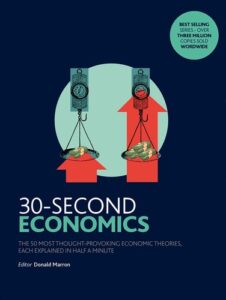
30-second Economics
Donald Marron; Adam Fishwick
2011
Notes
On the side, I think it is important to learn some economics, since our life is entangled and almost based on economics. From personal to world-economy, it is useful.
Of course it wouldn’t be 30 seconds. I like to dive in to a concept I just met with all my questions.
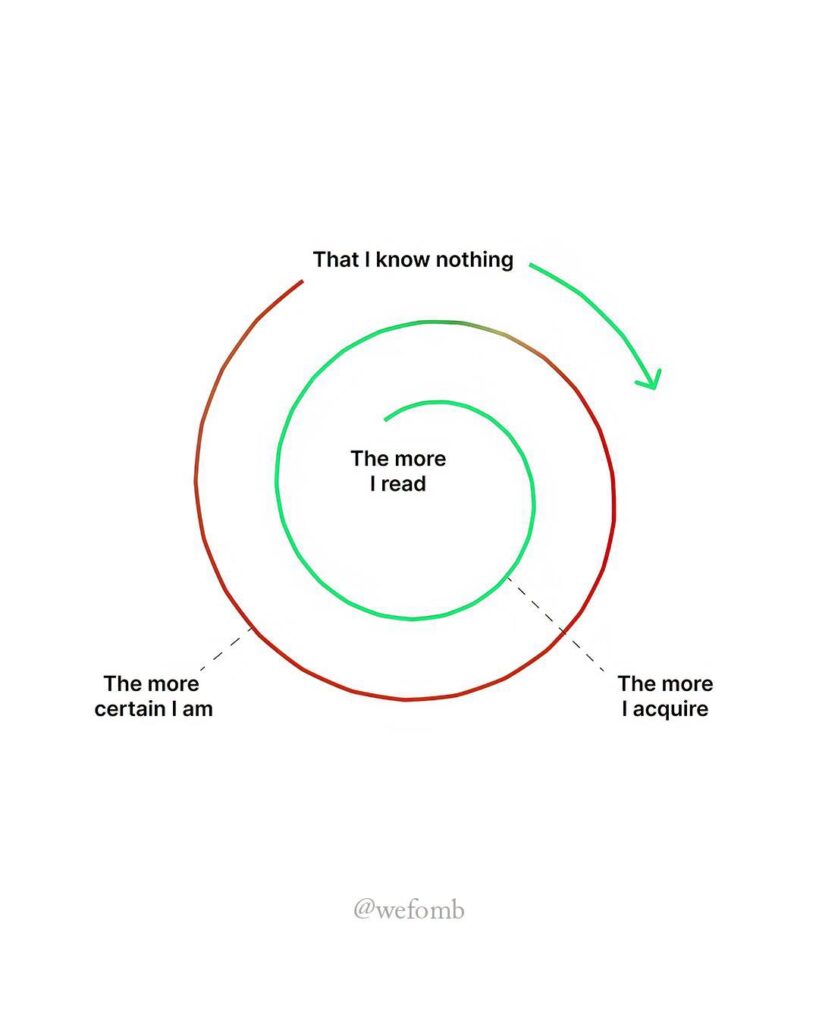
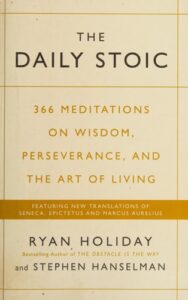
I’ve seen this book before and was immediately intrigued, but I had other books in the queue at the time so I did not buy it. However, on another occasion, I saw it in Oxfam for £3 and thought I should not miss this value. I still did not start it but put away in the queue.
Until I could no longer resist its calling. I wish I could have started on 1st of January as the book does, but started in March, still following its daily structure.
One short quote a day, and its interpretation from the author, that’s how start my day now.
This book has already changed my life, and continues to do so…
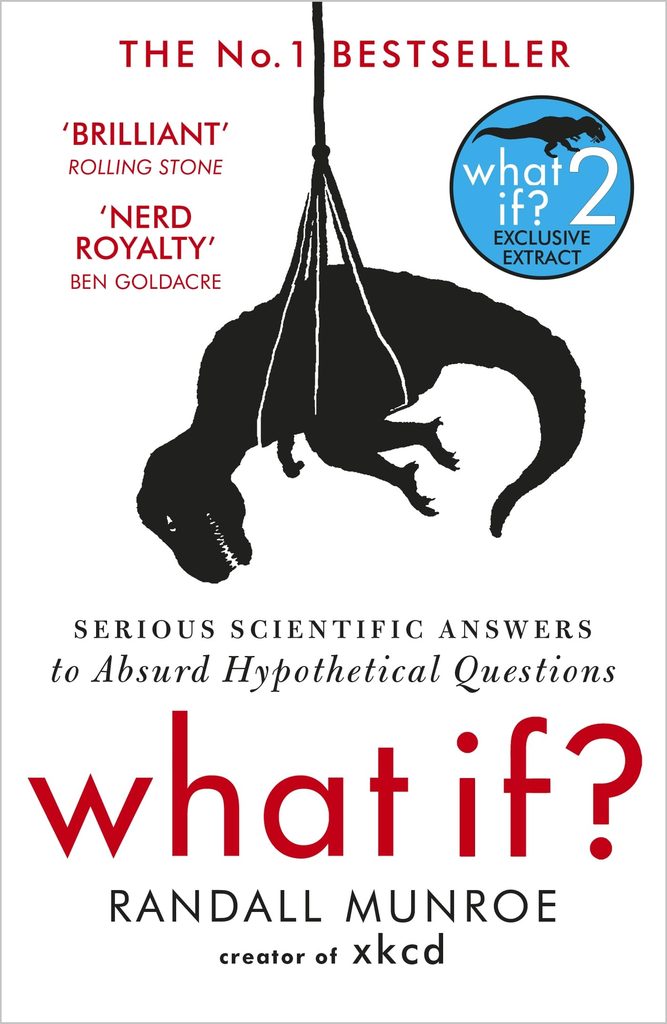
Complementary read to my science studies. Interesting, educational, and funny.
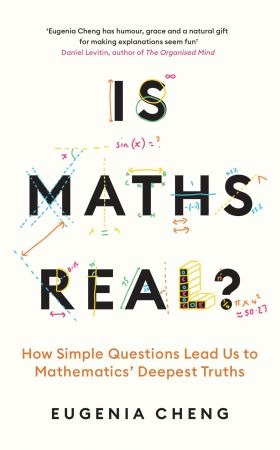
In my succeeding quest of changing the way I think and feel about subjects I wasn’t friends with.
One of the latest purchases, and instead of putting it away to the queue, I started reading it, and got hooked. Relatable, inspirational, educational and very interesting. The big size, the paper quality and the subject makes it a satisfying experience to study from.
Here I share short reviews of what I have completed reading. This but a small list of some of the latest books. I shall extend it as time goes. Not in chronological order.
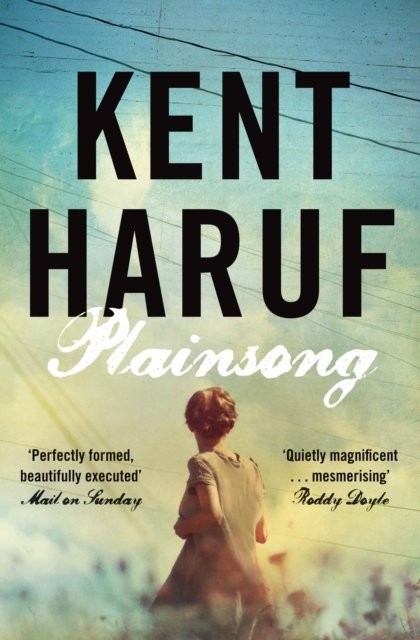
It was a lost and found item from the hotel where I work. Nobody came back to collect it. I have not read a fictional novel in a long time at that point, and I thought I’d give this a go, without knowing anything about the writer or this book.
Absolutely no regrets, as it was beautiful! The scenes and characters materialise in front of your mind’s eye like a painting, and everything flows like if it was a lighthearted movie. The kindness it fills and embodies this story is touching.
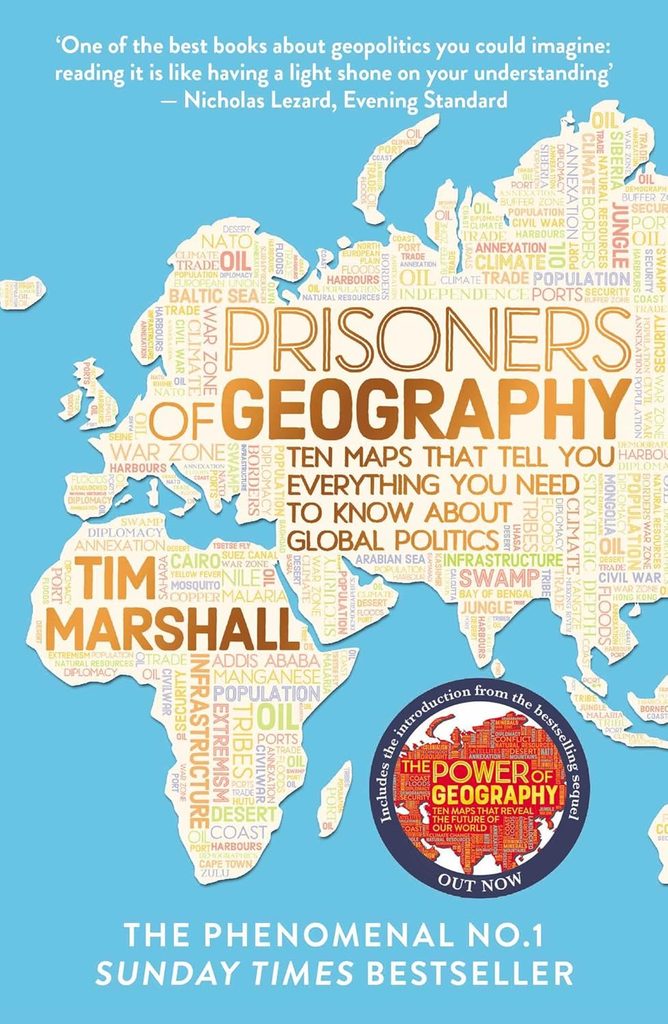
Really interesting and insightful, and captivatingly written! I kinda wish there would be a yearly edition with all the developments of geopolitics. It really widens your perspective!
I know there are more parts in this series, but I think they are older, and therefore a bit outdated by how much geopolitics changed.
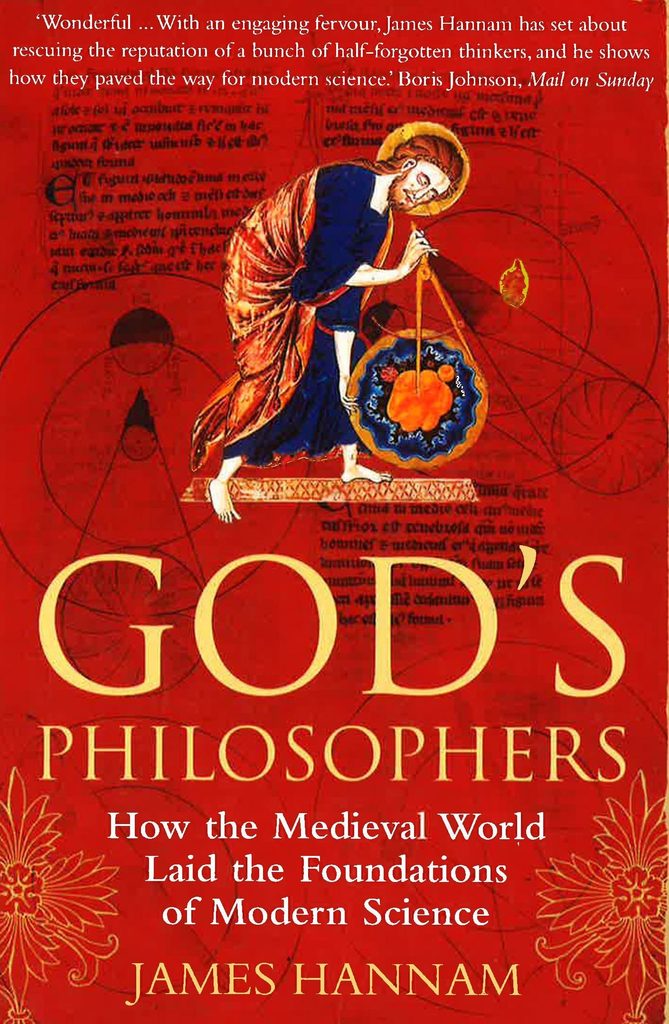
It was from Oxfam, and oh boy did I love it! At first look I thought it might be too complicated or dry for me (I wasn’t into science much at the time anyway). It might have just sparked the initial snowballing effect of putting me on the path to study it! Brilliantly written, as in easy to read, captivating, and highly influential!
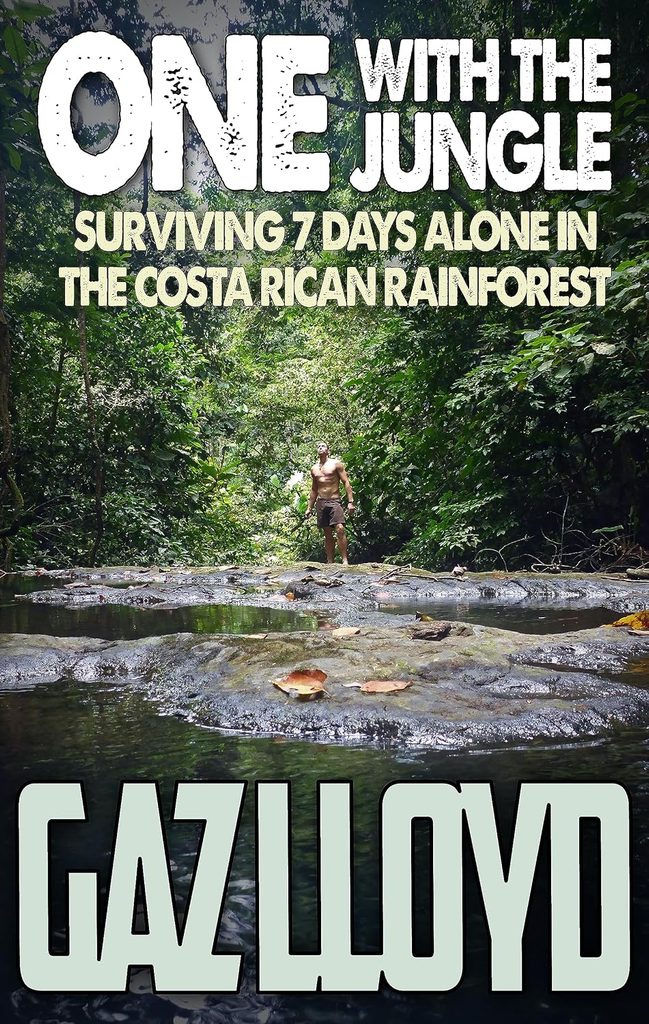
Got it as a gift for our Costa Rica trip. Interesting, useful and insightful. A rather short read, with coloured pictures scattered throughout. It is a half diary half reflection type of book. I immediately recognised that it is another amazon self-published book, just like mines. Once you had your own, you feel it on the papers, see the signs, the way it is formatted, no publisher, etc. Props to him!
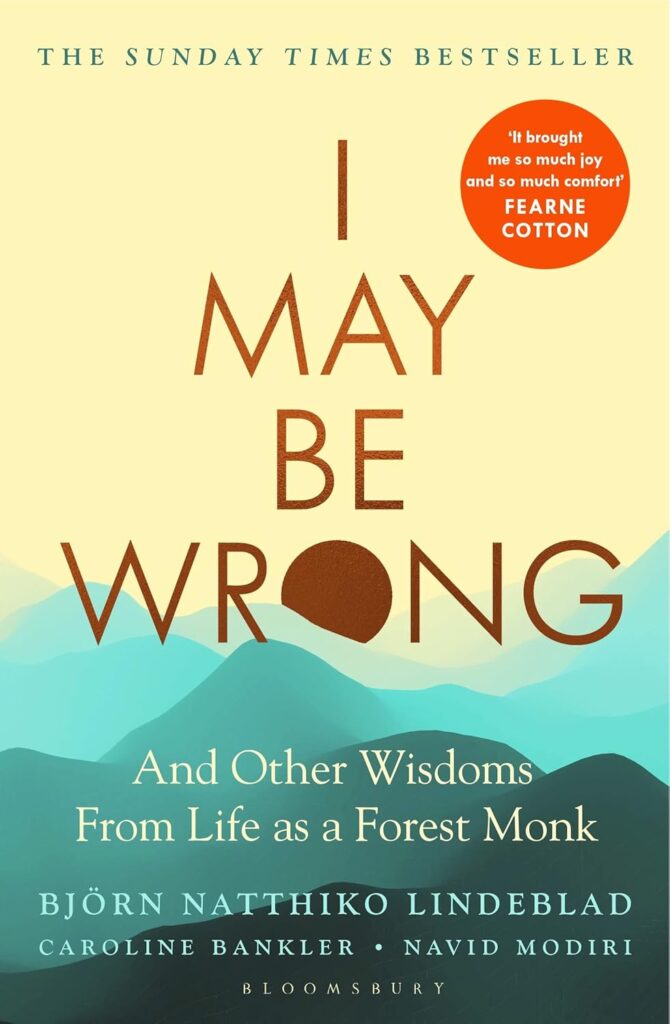
I love and respect Buddhism, and the same goes for Monk life (the stress of regular worker’s London life might amplify your need to seek out these oasis of tranquillity I guess 🙂 ). So the chance for this book to come home with me in the beginning of April 2026 when I saw it in Oxfam was high. One chapter per night before sleep ensured I finished it within 2 months.
I probably would not do the monk life, but this was the perfect insight into their daily life. Not just that, but into his thought process, struggles, wisdom gained, and all sorts of other interesting things. It further shaped my psyche and moral, for the better.
Very sad what happened to him. May you rest in peace.
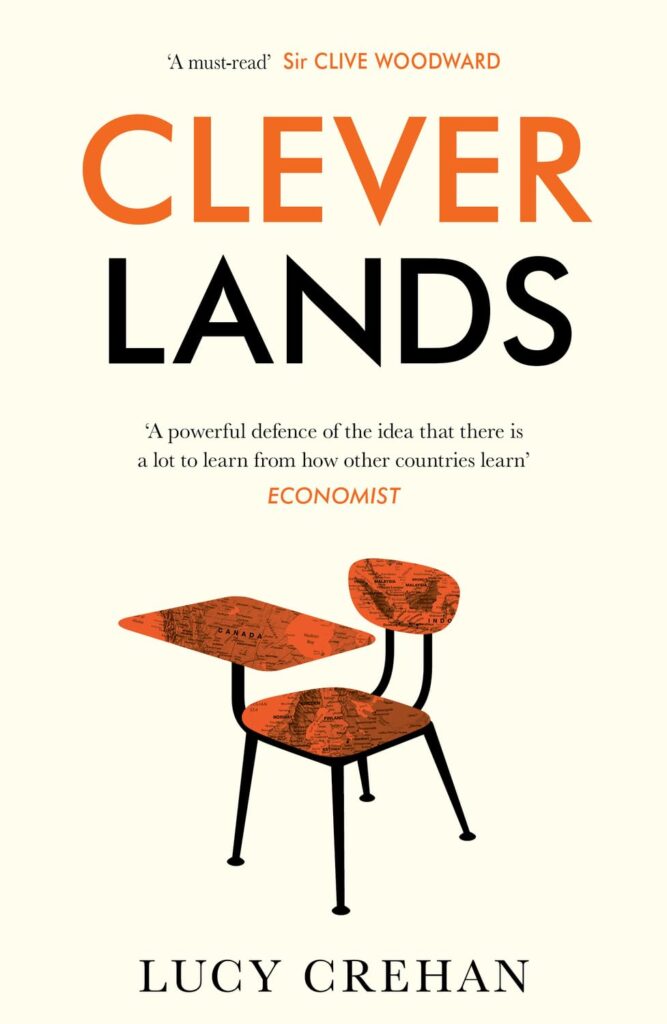
Another one from Oxfam from end of 2025. I never thought I would read a book (and ENJOY) on how countries approach their education policies, what are their effects, why and how some countries produce the top learners etc. Super insightful, interesting, and motivational to learn!
One of my favourite bit of insight was how Finland has a welfare team in schools which discusses each student weekly, and if a student starts to fall behind, the team steps in to investigate if there is any issue at home or if something is bothering the student that causes the falling behind. I wish more countries would care this much..
On the other hand; Singapore’s dark side of high-stakes education was a bit of a shocker.. Hopefully that changed for the better, since this book came out almost a decade ago.
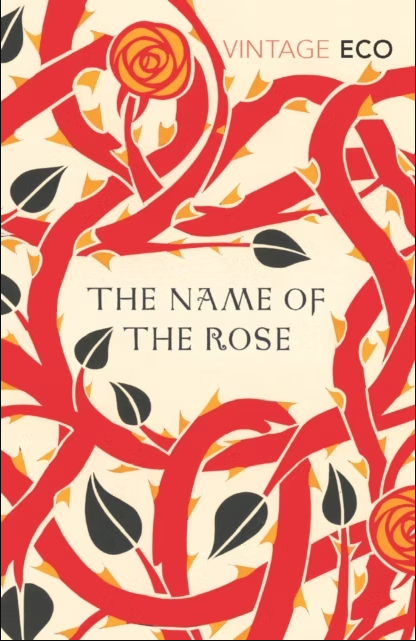
It was gifted to me for my liking for the Middle Ages and monastery life. I never knew it was a famous and big impact book, so it was also a catch-up. (We study different books in Hungary).
I really enjoyed it, but it was fairly difficult sometimes, English being my second language. The side effect of this book was that it made me open my eyes really hard on the 7 sins (even though the book isn’t about it and barely touches the subject), and how true that all of us carry them in some form and intensity. It ingrained in me to look at behaviours of individuals and the world through the filters of the 7 sins. Even if we are not religious, if we just try to turn down our sins a notch, the world would be a better place.
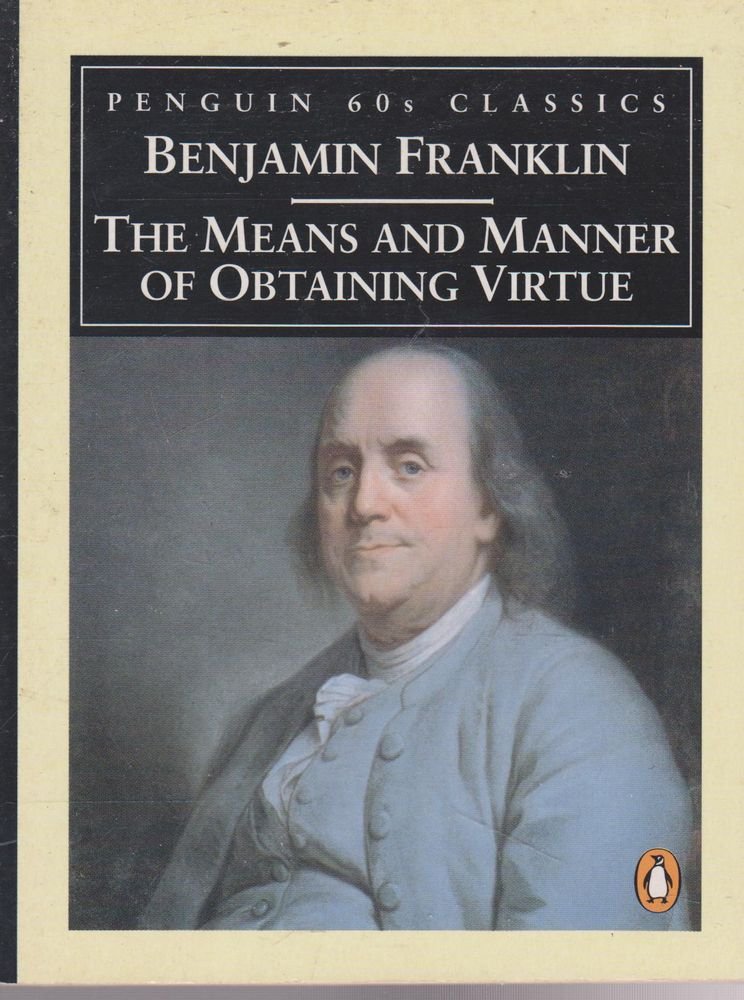
This book probably had the biggest impact on my life so far. Unbeknownst, spotted it in Oxfam last year sometime for how tiny it is and thought I’d get it for the pound they asked for it. All I knew about him at the time is that he was some big figure in America, so I thought I’d learn something about him. Oh boy he became a role model of mine since. It didn’t even occur to me that the title actually sets out to teach just what it says. It was fascinating peeking into this man’s early life and how he discovered self-improvement by himself (very relatable btw), but he also worked out a brilliant system for it, which I now implemented and follow.
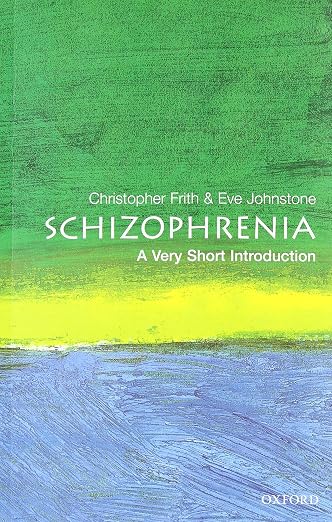
Fairly recent purchase from out of the ~6 books I got from Foyles a few months ago. The reason in choosing this was to find out more about this mental disorder in order to better assess whether a family member has it. Never heard of the “A very short introduction” series, and I was pleasantly surprised how thorough it is, and packs almost 200 pages in an almost pocket size book. You can read my blog post on Richard Dadd, a famous Victorian era painter who I discovered in this book, coincidentally.
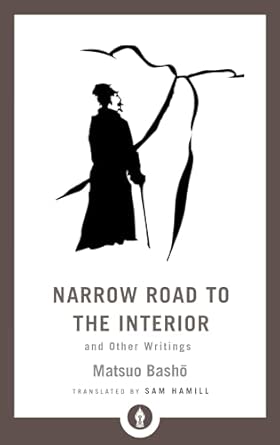
My introduction to haiku a few years ago, along with an epic travelogue through part of Japan. I love this kind of concepts: freedom, creativity, spiritual growth, adventure, exploration, harmony.
I created a few books – fortunately before the AI boom – so I can sincerely say they are 100% human-made.
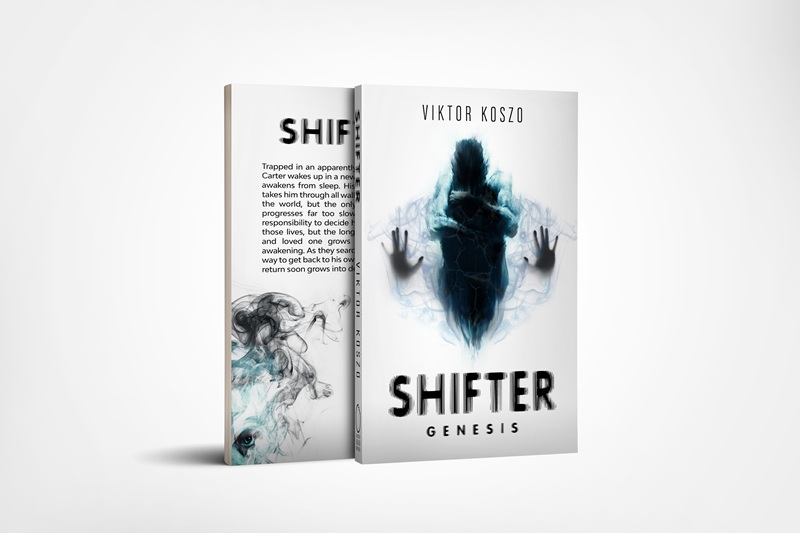
My first ever novel – a psychological thriller – and one of the worstsellers for many years running. I’m working on a blog post about its behind the scenes, including why it doesn’t matter to me how any of these sell. That post is ready now.
By clicking on the image, it will open its Amazon page in a new window. You could ruin its worstselling rank if you feel like contributing. I set the prices as low as possible (before it tips into negative profit), because I don’t believe in expensive books.
(At the time of writing this, this bad boy is sitting around 128k in the vast Thriller category. I take that – but I’d take any number anyway.)
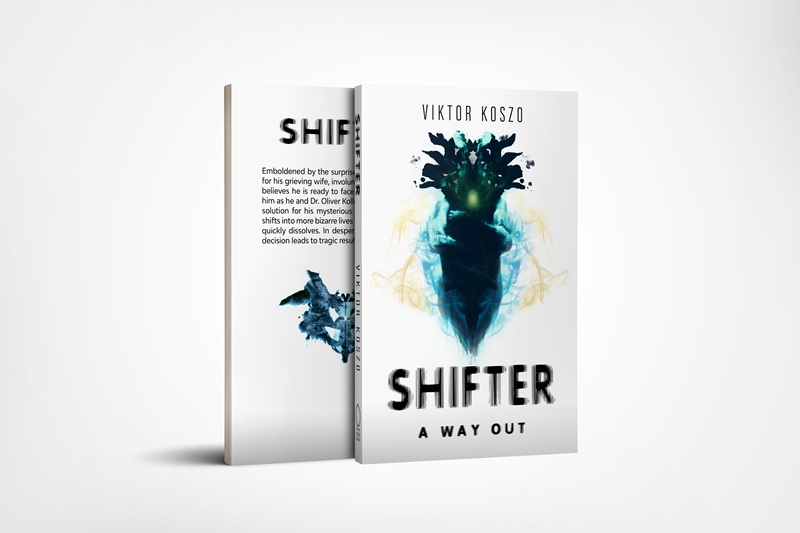
..and the second part of it:
Best Sellers Rank:
4,323 in Metaphysical & Visionary Fiction (Books)
22,329 in Psychological Fiction (Books)
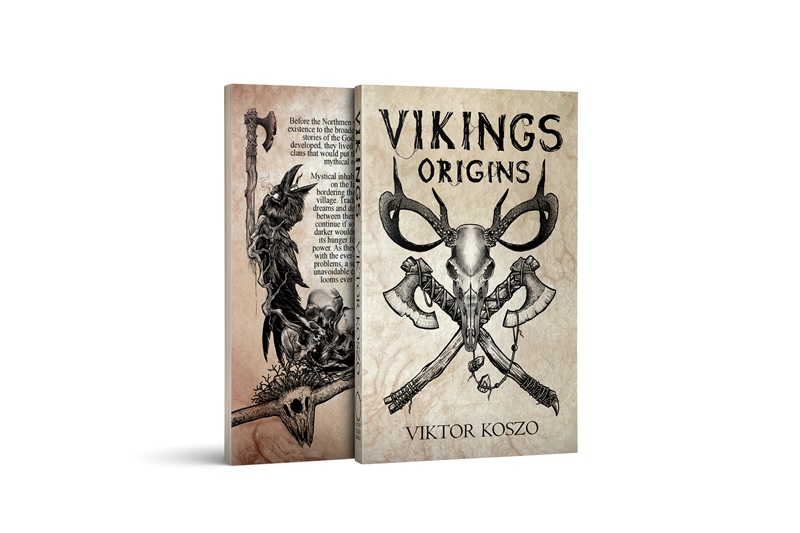
My latest novel from 2023. The behind the scenes blog post for this is in the pipeline after the Shifter’s one goes live.
Best Sellers Rank:
2,239 in Norse & Viking
10,183 in Horror Fantasy
Here I share some of my short stories.
I experiment with setting up each story’s own page themed for the story.
I’m excited to explore and create more interactive and atmospheric experiences here with these.
more coming soon…
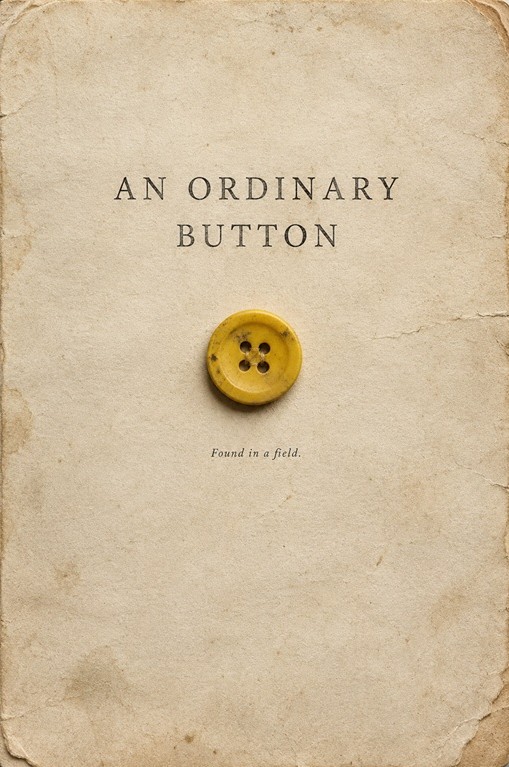
The one page horror story that was selected by Foreshore publishing to include in their first issue of The Reach magazine in 2022.
Notes
I saw a digital art sketch in a facebook group and it immediately inspired me to jot down this story then and there. Of course it was later polished.
It was after I have completed the Shifter and I learned a few new things about writing.
“Practice with short stories, make them punchy, make them powerful.”
I really wanted to exercise the slow reveal in this one, and stir in some mysticism/occultism. That was a good way to make it more interesting, rather than some classic [subject in the story without spoilers] horror story. I have not met with this type of creation idea before, so that was exploratory.
The readers attention needed to be steered away from the reveal just enough to make it work. It was a really fun writing exercise, which I tried out in a later story that I intend to upload as well.
The only advert that I ever was interested in clicking on the facebook feed was when this new publisher at the time announced that they are looking for dark/mystical short stories for their magazine and I thought, wow, perfect; let me send this in. I’ve got nothing to lose.
They got back to me that they would like to publish it and if I wanted to do last refinements before they finalise it. This was before the AI boom so I reached out to my high school English teacher to help me brush it up if there was anything not perfect. (Shout out to him, and to all teachers!)
How the algorithm knew me like this to target me with that publisher’s aim is beyond me, but it worked out well. The publisher printed it and sent a free copy of their issue. All this did not cost me anything! A fully positive experience.
I will include the original inspiration here as soon as I dig it up.
(This “cover” picture was generated for the purpose of having a clickable button and an atmospheric visual)
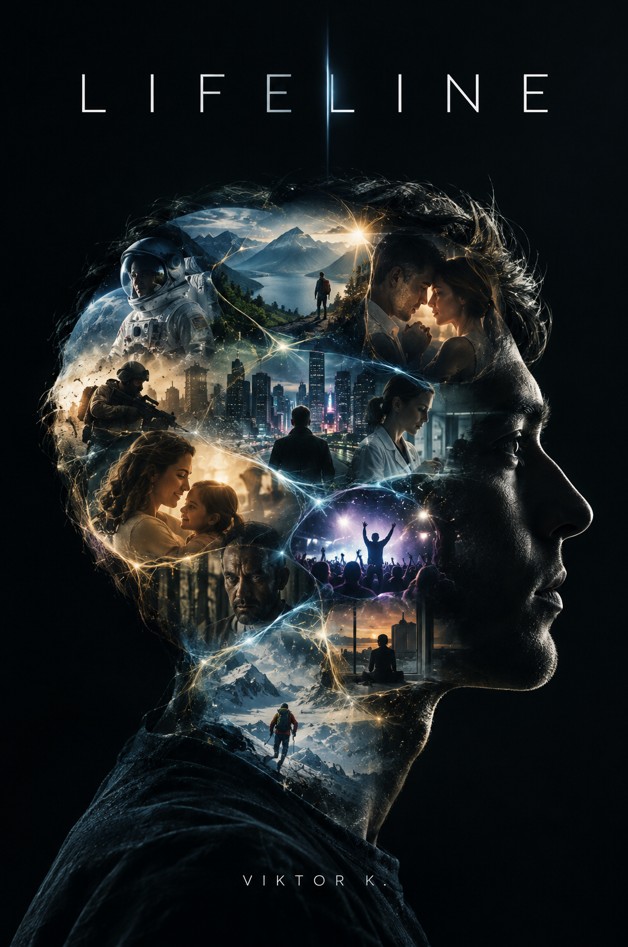
The idea of Lifeline emerged during the writing of the Shifter. It is almost like a compact, sci-fi version of it.
A blend of science, philosophy, psychology, sociology.
About ~7200 words in 11 pages.
Notes
This was written after having finished writing Shifter, waiting for the translation.
The date on the original file says it was written in July 2020 with some later edit in 2022 when I entered it to some contests.
By now the language and the interactions between characters are a bit cringe and awkward to me, (perhaps one reason I didn’t hear back from the contest), but I kept it as is for originality.
It’s mind boggling to me how relevant this story could be in our near future. With generative systems, and the way technology is advancing, I’m kind of scared that this story could become a reality.
I can’t remember if I have seen any Black Mirror episode at the time, because I started watching it fairly late when there already were about 3-4 seasons out (at least), but it easily could be one of them, and I’m not sure if that’s a good thing for humanity. You judge it yourself.
This cover picture was, ironically, generated, as I don’t plan to publish it as a standalone where I would need a cover for it, so this was easiest.
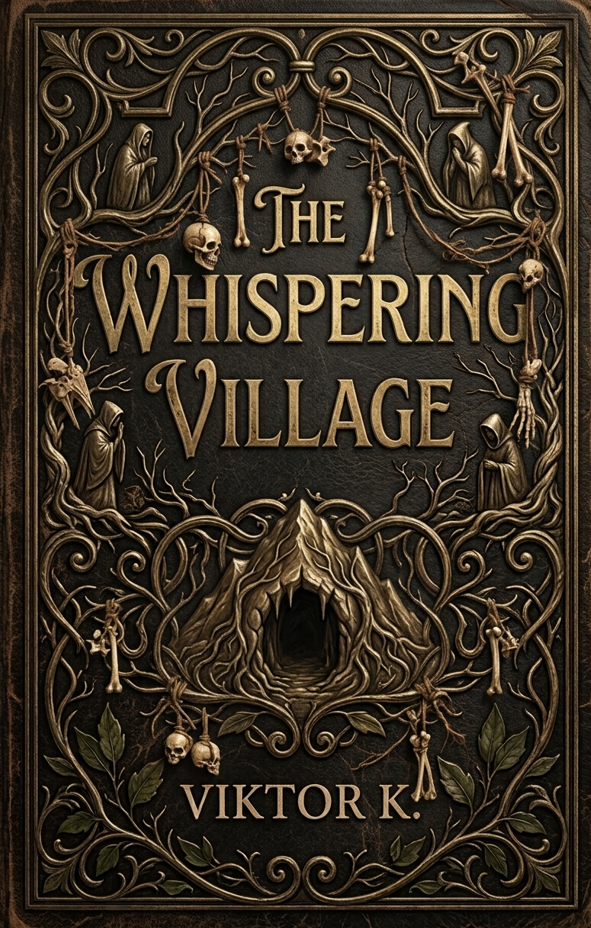
This was an experimental narrating style written in 2020. There was an edit made in 2022, and I now brushed it up a little in 2026.
/Horror, mystery. ~2500 words/3-5 minute read.
Notes
Sound effects credit : mixkit.co
This cover picture was generated, as I’m not planning to publish it in traditional ways for now.